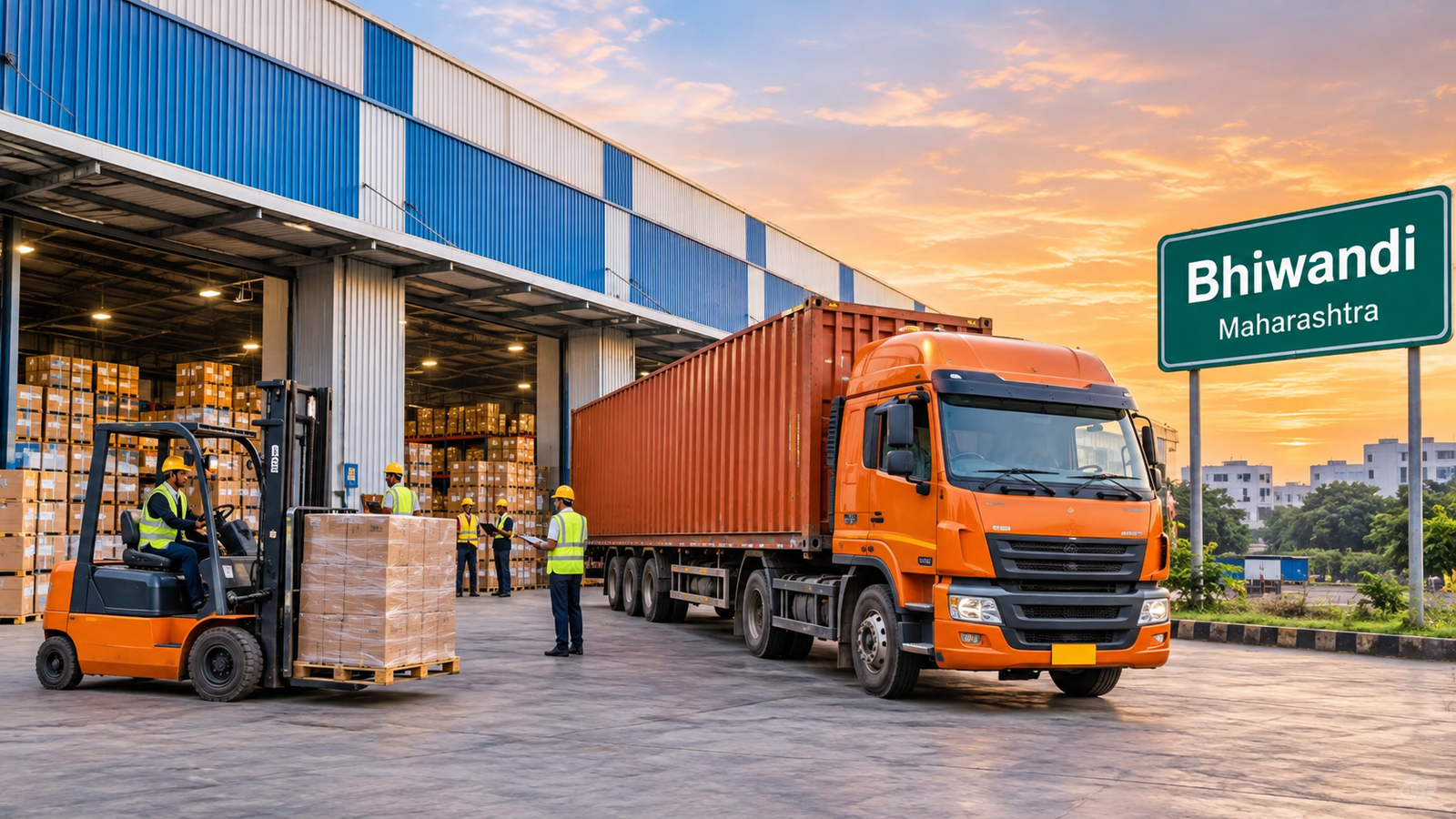
Goods Transport Services in Bhiwandi for Warehouse and Distribution Loads
Bhiwandi has become an important logistics and warehousing destination for businesses operating across Mumbai, Thane, Navi Mumbai and other parts of India. With its growing network of warehouses, distribution centres, manufacturing units and commercial storage facilities, the demand for dependable goods transportation continues to increase. Businesses handling bulk inventory, wholesale products, industrial materials and e-commerce shipments require an organised transportation system to move goods safely and efficiently.
However, managing warehouse transportation involves much more than arranging a truck. Businesses must coordinate vehicle availability, loading schedules, delivery locations, shipment quantities, documentation and delivery timelines. Even a small delay in transportation can affect inventory planning, distribution schedules and customer commitments.
This is where professional Goods Transport Services in Bhiwandi become important. A dependable transportation partner helps businesses move goods from warehouses to distributors, retailers, manufacturing facilities and customers across different locations.
Whether you operate a large distribution warehouse, manage a wholesale business or handle regular commercial shipments, selecting the right transport company can improve your logistics operations and make goods movement more organised.
In this guide, we will explore how goods transportation supports warehouse and distribution operations in Bhiwandi, the different transportation options available, factors to consider when selecting a transporter and how businesses can improve their overall supply chain efficiency.
Understanding Bhiwandi’s Growing Warehouse and Distribution Industry
Bhiwandi, located in the Thane district of Maharashtra, has developed into a major warehousing and logistics centre in the Mumbai Metropolitan Region. Its proximity to Mumbai, Thane and important transportation corridors makes it a suitable location for businesses that require large storage facilities and distribution networks.
The Mumbai Metropolitan Region Development Authority (MMRDA) identifies the Bhiwandi Surrounding Notified Area as an important location for logistics, warehousing and industrial development. The region includes several areas with significant industrial and commercial activity, including Dapode, Rahanal, Pimplas, Sonale and Vadpe.
The Maharashtra Logistics Policy also recognises the Thane-Bhiwandi region as an important logistics and industrial centre, highlighting opportunities for further logistics infrastructure development.
As warehouse operations expand, businesses need transportation services that can support frequent inventory movement and distribution requirements.
Several industries contribute to the demand for goods transportation in Bhiwandi:
- E-commerce and online retail: Businesses require regular movement of products from fulfilment centres to regional distribution hubs and delivery networks.
- Wholesale and trading: Traders and distributors transport bulk products to retailers, dealers and commercial buyers.
- Textile and garment businesses: The region’s textile ecosystem creates demand for transporting fabrics, finished garments and related materials.
- FMCG distribution: Food products, household goods, personal care products and other consumer items require organised inventory distribution.
- Industrial and manufacturing units: Businesses need transportation for raw materials, machinery, components and finished products.
- Electronics and consumer goods: Warehouses handling appliances, electronics and other packaged products require suitable vehicles and careful handling.
The increasing importance of warehouse-based businesses makes dependable transportation an essential part of the local supply chain.
Why Businesses Need Professional Goods Transport Services in Bhiwandi
Warehouse and distribution operations depend on the smooth movement of inventory. Products stored inside a warehouse must reach their intended destinations according to business requirements.
Without proper transportation planning, businesses may experience shipment delays, vehicle shortages, damaged goods, increased operating expenses and difficulties managing inventory.
Professional goods transportation services help businesses address these challenges through organised vehicle arrangements and shipment coordination.
1. Consistent Movement of Warehouse Inventory
Warehouses regularly receive and dispatch products. Depending on the business, inventory may need to move daily, weekly or according to specific customer orders.
For example, a wholesale distributor operating in Bhiwandi may receive large quantities of products from manufacturers and distribute them to dealers across Maharashtra and other states.
A dependable transport arrangement helps maintain a consistent flow of goods between storage facilities and delivery destinations.
Businesses can plan dispatches according to inventory availability, vehicle capacity and delivery requirements instead of arranging transportation at the last moment.
2. Better Distribution Planning
Distribution operations involve delivering goods to multiple locations. A business may need to transport inventory from one central warehouse to several distributors, retail outlets or regional storage facilities.
Professional transportation support helps businesses organise these movements by considering:
- Delivery destinations
- Shipment quantities
- Vehicle requirements
- Dispatch schedules
- Loading and unloading arrangements
- Delivery sequence
- Expected transit duration
Proper coordination can reduce unnecessary delays and help businesses maintain better control over distribution activities.
3. Reduced Transportation Complications
Managing transportation independently can become challenging when a business handles multiple shipments.
Finding suitable vehicles, coordinating with drivers, arranging loading and following up on deliveries require time and resources.
Working with an experienced transport company in Bhiwandi can simplify these responsibilities. A transportation partner can assist with vehicle arrangements and dispatch coordination, allowing business owners and warehouse managers to focus on their primary operations.
4. Support for Bulk and Commercial Shipments
Many warehouse operations involve moving large quantities of goods in a single dispatch. These shipments may include cartons, packaged products, industrial materials, machinery and wholesale inventory.
Depending on the shipment’s dimensions, weight and handling requirements, businesses may require dedicated vehicles.
Professional goods transportation services help businesses identify suitable vehicle options for different commercial loads.
5. Better Shipment Visibility
Knowing the location and movement status of dispatched goods is important for warehouse managers and distributors.
Shipment tracking and regular communication help businesses monitor transportation progress and coordinate with receiving parties.
When businesses have better visibility over their shipments, they can plan unloading activities, update distributors and respond more effectively to unexpected delays.
Types of Goods Transport Services Required for Warehouse and Distribution Loads
Different businesses have different transportation requirements. A small distributor may need a vehicle for a limited quantity of goods, while a large manufacturer may require a dedicated truck for bulk inventory.
Selecting the right transportation arrangement depends on shipment size, delivery frequency, cargo type and destination.
1. Full Truck Load (FTL) Transportation
Full Truck Load transportation is suitable when a business has enough goods to occupy a dedicated truck or wants exclusive vehicle allocation for its shipment.
Under FTL transportation, the vehicle is generally assigned to one shipment rather than combining goods from multiple customers.
This option is useful for:
- Large warehouse dispatches
- Bulk inventory movement
- Manufacturer-to-distributor transportation
- Industrial goods transportation
- Interstate commercial deliveries
- Regular distribution requirements
For example, a manufacturer storing finished products in a Bhiwandi warehouse may require a dedicated truck to transport the entire consignment to a distributor in Ahmedabad, Pune, Surat or Bengaluru.
FTL transportation provides greater control over vehicle allocation and can simplify shipment coordination.
Businesses should compare vehicle capacity, loading requirements, route conditions and transportation costs before confirming a booking.
2. Part Truck Load (PTL) Transportation
Part Truck Load transportation is suitable for businesses that do not have enough cargo to utilise an entire truck.
Under PTL arrangements, shipments from different customers may share vehicle capacity, subject to the transporter’s operating model and cargo compatibility.
This option can be useful for:
- Small and medium-sized distributors
- Businesses with limited inventory
- Regular shipments in smaller quantities
- Retail supply requirements
- Commercial deliveries to different locations
For example, a business operating a warehouse in Bhiwandi may need to send a limited number of cartons to a retailer in Nashik.
Booking an entire truck may not always be practical for such a shipment. PTL transportation can provide an alternative, depending on service availability and delivery requirements.
3. Bulk Goods Transportation
Bulk transportation is important for businesses handling large volumes of commercial products.
These shipments may include packaged inventory, industrial materials, construction supplies, agricultural products and other goods requiring higher vehicle capacity.
Before arranging bulk goods transportation, businesses should consider:
- Total shipment weight
- Cargo dimensions
- Loading equipment requirements
- Vehicle capacity
- Cargo protection
- Delivery location accessibility
- Applicable transportation regulations
Choosing an appropriately sized vehicle helps prevent overloading and unnecessary transportation complications.
4. Warehouse-to-Warehouse Transportation
Many businesses operate multiple warehouses to manage inventory across different markets.
For example, a company may store its main inventory in Bhiwandi and operate additional distribution facilities in Pune, Ahmedabad, Indore or Hyderabad.
Warehouse-to-warehouse transportation helps move stock between these facilities according to inventory requirements.
This movement may be necessary when one location experiences increased demand or when businesses need to replenish regional distribution centres.
5. Industrial and Commercial Goods Transportation
Industrial and commercial shipments often have different transportation requirements from ordinary packaged products.
Machinery, equipment, spare parts, electrical goods and manufacturing materials may require special loading arrangements and appropriate vehicle selection.
Businesses should communicate the cargo specifications clearly before booking transportation.
For oversized or unusually heavy consignments, specialised vehicle arrangements may be necessary.
How Goods Transportation Supports Warehouse Distribution Operations
Transportation is directly connected to warehouse productivity. Even when a warehouse has sufficient storage capacity and an organised inventory management system, goods cannot reach their destinations without dependable transportation.
Here are some ways professional transportation supports warehouse distribution.
1. Inbound Goods Movement
Inbound transportation refers to the movement of goods from suppliers, manufacturers or other storage facilities into a warehouse.
For Bhiwandi-based warehouses, inbound shipments may arrive from different manufacturing and trading locations across Maharashtra and other states.
Proper inbound coordination helps warehouse teams prepare for receiving shipments, allocate unloading space and manage inventory entries.
2. Outbound Goods Dispatch
Outbound transportation involves moving products from a warehouse to distributors, retailers, customers or other storage facilities.
This stage requires coordination between warehouse teams and transportation providers.
The dispatch process generally involves:
- Confirming product availability.
- Preparing the shipment.
- Verifying the destination and delivery details.
- Selecting a suitable vehicle.
- Arranging loading.
- Completing relevant documentation.
- Dispatching the vehicle.
- Monitoring the shipment until delivery.
A well-coordinated process helps minimise avoidable confusion during dispatch.
3. Regional Distribution
Businesses operating in Bhiwandi often serve customers throughout the Mumbai Metropolitan Region and other commercial markets.
Their distribution requirements may include regular deliveries to Mumbai, Thane, Navi Mumbai, Vasai-Virar, Pune, Nashik and other locations.
A transportation partner with a broader operating network can help businesses coordinate deliveries beyond their immediate warehouse location.
4. Interstate Distribution
Many distributors and manufacturers need to move products from Bhiwandi to different states.
Interstate transportation requires careful planning involving route selection, transit expectations, vehicle suitability and applicable documentation.
For example, a warehouse may dispatch commercial goods from Bhiwandi to Gujarat, Madhya Pradesh, Karnataka, Telangana or Delhi.
Businesses should work with transporters capable of coordinating long-distance commercial shipments and communicating realistic delivery expectations.
5. Seasonal and High-Demand Distribution
Certain businesses experience increased dispatch volumes during festive seasons, promotional campaigns, financial year-end periods and major sales events.
During these periods, warehouse operations may require additional vehicle capacity.
Planning transportation requirements in advance helps businesses reduce last-minute vehicle shortages and manage increased distribution volumes more effectively.
Common Transportation Challenges Faced by Bhiwandi Warehouses
Despite its importance as a logistics destination, warehouse transportation involves several operational challenges.
Understanding these challenges can help businesses select appropriate transportation partners and improve their dispatch processes.
1. Vehicle Availability During Peak Periods
Warehouses may need multiple vehicles within a short period, particularly during high-demand seasons.
If transportation is arranged at the last moment, businesses may experience difficulties finding vehicles that match their shipment requirements.
Practical solution: Maintain a dispatch forecast and communicate vehicle requirements to the transporter in advance.
2. Delays in Loading and Unloading
Vehicle delays do not always happen on the road. Sometimes, trucks remain at warehouse premises because goods are not ready, loading teams are unavailable or unloading arrangements have not been confirmed.
Such delays can affect the entire transportation schedule.
Practical solution: Coordinate loading slots, labour availability, cargo readiness and receiving-party schedules before dispatch.
3. Selecting the Wrong Vehicle
Choosing a vehicle based only on the estimated weight of a shipment can create problems.
Cargo dimensions, loading methods, packaging and access restrictions must also be considered.
Practical solution: Share accurate cargo details with the transporter before confirming the vehicle.
4. Poor Communication During Transit
When warehouse managers do not receive timely updates, it becomes difficult to coordinate receiving arrangements.
This can lead to unnecessary follow-ups and confusion between dispatch and delivery teams.
Practical solution: Prefer transport providers who maintain regular communication and provide shipment status updates.
5. Cargo Damage During Transportation
Improper stacking, insufficient packaging, unsuitable loading methods and inadequate cargo protection can result in damaged products.
This is particularly important for fragile goods, electronics, packaged consumer products and industrial equipment.
Practical solution: Use appropriate packaging, secure cargo properly and communicate handling instructions before loading.
6. Unclear Transportation Costs
Unexpected charges can affect logistics budgets and create disagreements between businesses and transporters.
Transportation costs may depend on distance, vehicle type, cargo specifications, route conditions, loading requirements and additional services.
Practical solution: Request a clear quotation and confirm the scope of transportation before dispatch.
How to Choose the Right Goods Transport Company in Bhiwandi
Selecting a transportation partner is an important decision for businesses that depend on regular warehouse dispatches.
The right transporter should understand commercial shipment requirements and provide practical transportation solutions based on cargo specifications.
Here are some important factors to evaluate.
1. Experience in Commercial Transportation
Look for a transport company that understands warehouse dispatches, bulk shipments and commercial delivery requirements.
Experience in handling different cargo categories can help the transporter understand vehicle selection, loading coordination and shipment planning.
2. Vehicle Availability and Flexibility
Your transportation requirements may change depending on inventory volume and delivery destinations.
Choose a provider who can help arrange appropriate vehicle options for different shipment sizes.
For example, businesses may require 14 ft, 17 ft, 19 ft, 20 ft, 22 ft, 32 ft or 40 ft vehicles depending on cargo requirements and availability.
The vehicle should always be selected according to its actual payload capacity, cargo dimensions and applicable regulations.
3. Pan-India Transportation Capability
If your warehouse supplies products to different states, choosing a transporter with broader geographical reach is important.
A suitable transportation partner should be able to coordinate interstate goods movement and understand the requirements of long-distance commercial deliveries.
4. Transparent Pricing
Before confirming a shipment, request a quotation that clearly explains the transportation charges and any additional costs.
Compare quotations based on the complete service offering rather than choosing a transporter only because of the lowest price.
Consider vehicle suitability, delivery coordination, communication and cargo handling along with the quoted amount.
5. Shipment Tracking and Communication
Regular shipment updates help businesses maintain visibility over dispatched goods.
Ask the transporter how updates are provided and whom your warehouse team should contact in case of an unexpected delay.
6. Safety and Cargo Handling
A reliable transporter should understand the importance of appropriate loading, cargo securing and shipment protection.
Businesses should also discuss insurance coverage and clarify what is included in the transportation arrangement. Never assume that insurance is automatically included in every booking.
7. Customer Support
Transportation requirements sometimes change after a vehicle has been dispatched.
A responsive support team can help businesses communicate changes, obtain shipment updates and coordinate with relevant parties.
Good communication is especially important when handling multiple warehouse dispatches.
FTL vs PTL: Which Transportation Option Is Better for Your Warehouse?
One of the most common decisions warehouse managers face is whether to book a dedicated vehicle or use shared transportation.
Both FTL and PTL have different advantages, and the appropriate option depends on the shipment.
| Comparison Factor | FTL Transportation | PTL Transportation |
|---|---|---|
| Vehicle allocation | Dedicated vehicle | Shared vehicle capacity |
| Shipment volume | Generally larger consignments | Smaller consignments |
| Cargo handling | Usually fewer intermediate handling points | May involve consolidation and additional handling |
| Cost structure | Cost of dedicated vehicle | Charges based on shipment and service terms |
| Best suited for | Bulk and regular large dispatches | Smaller and less-than-truckload shipments |
| Scheduling | More direct dispatch coordination | Depends on consolidation and network schedules |
When should you choose FTL?
FTL is generally suitable when you have large quantities of goods, require dedicated vehicle allocation or want greater control over your dispatch schedule.
When should you choose PTL?
PTL can be suitable when your shipment does not require an entire truck and you want to explore shared transportation options.
The decision should be based on total shipment economics, delivery expectations, cargo handling requirements and available services.
Important Factors to Consider Before Dispatching Warehouse Loads
Efficient transportation begins before the vehicle reaches the warehouse.
Businesses can improve their dispatch operations by following a structured preparation process.
1. Prepare Accurate Shipment Details
Share the following information with your transportation provider:
- Pickup warehouse address
- Delivery destination
- Total cargo weight
- Number of packages or pallets
- Cargo dimensions
- Nature of goods
- Packaging details
- Loading and unloading requirements
- Preferred dispatch date
Accurate shipment information helps the transporter identify an appropriate vehicle.
2. Confirm Vehicle Capacity
Always ensure that the selected vehicle is suitable for the shipment.
The vehicle must have adequate payload capacity and sufficient space for the cargo.
Avoid overloading and ensure that transportation arrangements comply with applicable vehicle and road regulations.
3. Complete Required Documentation
Depending on the nature of the goods and the transaction, transportation may require documents such as invoices, delivery challans, e-way bills and other applicable records.
Businesses should verify the relevant requirements under GST and other applicable regulations before dispatch.
4. Arrange Proper Loading
Goods should be loaded using appropriate handling equipment and methods.
Heavy packages should be positioned carefully, fragile items should receive suitable protection and cargo should be secured to minimise movement during transit.
5. Confirm Delivery Details
Before dispatch, verify the recipient’s address, contact number, unloading arrangements and expected receiving schedule.
This reduces confusion when the vehicle reaches its destination.
How Businesses Can Improve Warehouse Transportation Efficiency
Improving transportation efficiency does not always require major investments. Better coordination and planning can make a noticeable difference in everyday logistics operations.
Here are some practical approaches.
Maintain a Dispatch Schedule
Prepare a daily or weekly dispatch plan based on inventory availability and customer requirements.
A structured schedule helps warehouse teams coordinate loading activities and arrange transportation in advance.
Consolidate Compatible Shipments
When multiple shipments have similar delivery destinations, businesses can evaluate whether consolidation is practical.
Combining compatible cargo may help optimise vehicle utilisation, subject to shipment deadlines, handling requirements and transportation arrangements.
Build a Reliable Transporter Relationship
Working with a dependable transportation provider over time can simplify communication and recurring vehicle arrangements.
A transporter familiar with your warehouse requirements may find it easier to coordinate regular dispatches.
Monitor Transportation Performance
Businesses should evaluate their transportation arrangements using measurable indicators such as:
- On-time pickup performance
- Delivery completion
- Shipment damage frequency
- Vehicle availability
- Transportation cost per shipment
- Communication responsiveness
- Documentation accuracy
Regular reviews can help identify operational gaps and improve logistics planning.
Plan for Unexpected Delays
Road conditions, traffic congestion, weather and operational disruptions can affect transit schedules.
Businesses should maintain reasonable delivery buffers and communicate with distributors whenever shipment timelines change.
Why Choose Superior Transways for Goods Transport Services in Bhiwandi?
Choosing the right logistics partner can make warehouse and distribution operations more manageable.
Superior Transways is a Mumbai-based transport and logistics company providing commercial goods transportation solutions for businesses that require dependable movement of cargo across India.
With a focus on professional transportation coordination, suitable vehicle arrangements and customer communication, Superior Transways supports businesses looking to simplify their goods movement requirements.
Here is how the company can support your transportation needs:
Pan-India Transportation Network
Businesses often need to move inventory beyond Bhiwandi and the Mumbai region.
Superior Transways supports transportation requirements across multiple Indian states, helping businesses coordinate commercial shipments between different cities and markets.
FTL and Commercial Goods Transportation
Whether you need to move bulk inventory, finished products, industrial materials or wholesale shipments, selecting the right vehicle is important.
Superior Transways assists businesses with transportation requirements involving different commercial load sizes, subject to vehicle availability and cargo specifications.
Door-to-Door Transportation Coordination
Coordinating pickup and delivery locations is important for warehouse shipments.
Door-to-door transportation arrangements can help businesses simplify cargo movement between their warehouse premises and the receiving destination.
Shipment Tracking and Communication
Shipment visibility is an important part of commercial logistics.
Superior Transways focuses on keeping customers informed about transportation progress and providing communication support during the shipment process.
Professional Customer Support
Businesses handling regular dispatches need a transportation partner who understands the importance of coordination.
Superior Transways aims to support customers through professional communication and transportation planning.
If you are looking for Goods Transport Services in Bhiwandi for warehouse dispatches, bulk inventory or distribution loads, Superior Transways can help you discuss a suitable transportation arrangement.
Industries That Can Benefit from Goods Transportation in Bhiwandi
Several business categories depend on regular transportation to maintain their warehouse and distribution operations.
E-commerce and retail businesses: Require frequent movement of packaged products from storage facilities to fulfilment centres and distribution locations.
FMCG distributors: Need organised transportation for household products, food items, beverages and other fast-moving consumer goods.
Textile and garment companies: Require transportation for fabrics, garments, accessories and finished textile products.
Electronics distributors: Need appropriate cargo handling and transportation for appliances, electronic equipment and packaged products.
Manufacturing companies: Require movement of raw materials, components, machinery and finished goods between factories and warehouses.
Wholesale traders: Depend on bulk transportation to supply inventory to dealers, retailers and other commercial buyers.
Industrial suppliers: Need suitable transportation arrangements for equipment, spare parts, tools and industrial materials.
Each industry has different cargo and delivery requirements. Businesses should communicate these requirements clearly when requesting transportation quotations.
The Future of Warehouse Transportation and Distribution in Bhiwandi
Bhiwandi’s importance in Maharashtra’s logistics ecosystem is closely connected to its warehouse infrastructure and proximity to major commercial markets.
As businesses expand their distribution networks, the demand for organised goods movement is likely to remain an important part of regional supply chain operations.
Technology, better transportation coordination and improved logistics infrastructure can contribute to more efficient warehouse distribution.
Some important developments shaping the sector include:
- Growing e-commerce distribution: Increasing online retail activity creates demand for frequent warehouse dispatches and organised goods movement.
- Expansion of organised warehousing: Modern storage and distribution facilities require transportation partners capable of supporting structured dispatch operations.
- Greater focus on shipment visibility: Businesses increasingly value tracking, regular updates and better communication.
- Improved logistics infrastructure: Planned logistics development in the Thane-Bhiwandi region creates opportunities for more organised transportation and distribution networks.
- Demand for flexible transportation: Businesses require different vehicle capacities and transportation arrangements depending on changing inventory and delivery requirements.
For warehouse operators and commercial businesses, selecting a suitable transportation partner will remain an important part of managing future distribution requirements.
Conclusion: Find the Right Goods Transport Partner in Bhiwandi
Warehouse and distribution operations depend on a smooth flow of goods between suppliers, storage facilities, distributors and customers.
From bulk inventory movement and dedicated truck transportation to smaller commercial shipments, businesses need transportation arrangements that match their operational requirements.
Choosing professional Goods Transport Services in Bhiwandi can help businesses improve dispatch coordination, manage transportation requirements and maintain better communication throughout the delivery process.
The right transportation partner should offer suitable vehicle arrangements, transparent quotations, shipment coordination, cargo safety awareness and support for local as well as interstate goods movement.
If your business operates a warehouse, distribution centre or commercial trading facility in Bhiwandi, Superior Transways can help you plan your next goods transportation requirement.
Move your goods with confidence. Connect with Superior Transways for professional commercial transportation solutions from Bhiwandi to destinations across India.
Contact Superior Transways
Phone: 77700 26141
Website: https://superiortransways.com/
Email: superiortransways18@gmail.com