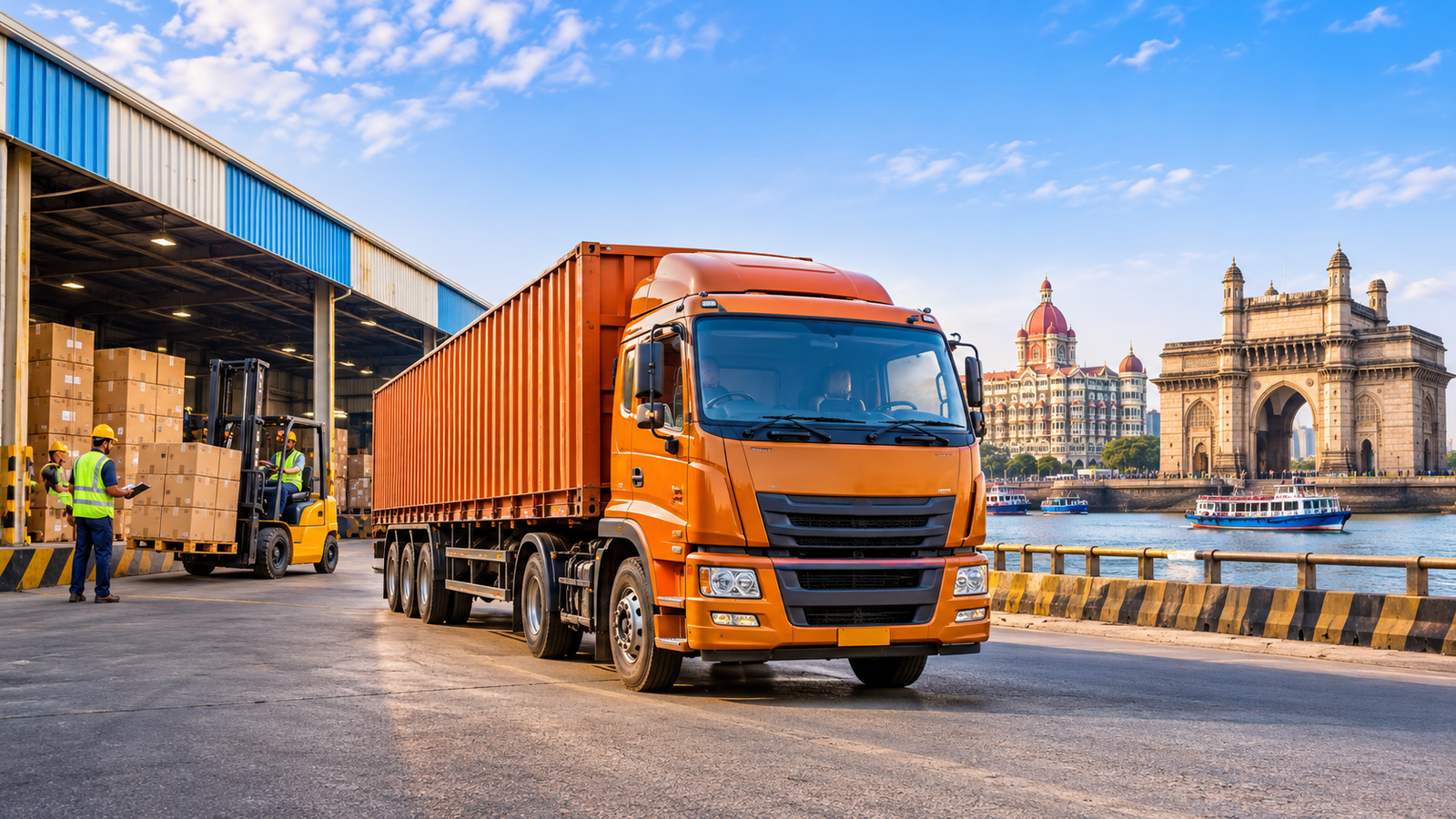
Mumbai is one of India’s most important commercial and industrial centres, connecting manufacturers, wholesalers, distributors, importers and retailers with markets across the country. From industrial goods and raw materials to packaged products, machinery and warehouse inventory, businesses regularly need dependable transportation to move large consignments between cities.
When a shipment requires a dedicated truck, Full Truck Load Transportation in Mumbai can be a practical solution for businesses that value control over vehicle allocation, dispatch schedules and cargo handling. Full Truck Load (FTL) transportation allows a single shipper to reserve the entire vehicle for their consignment rather than sharing truck space with unrelated shipments.
However, choosing the right truck and obtaining a competitive freight quotation involves more than knowing the pickup and delivery locations. Businesses must consider cargo weight, dimensions, vehicle capacity, road access, loading arrangements, transit requirements, documentation and other pricing factors.
In this guide, we explain how full truck load transportation works in Mumbai, how to plan a shipment, what affects freight charges, which documents may be required and how to choose a transport partner for your business.
What Is Full Truck Load Transportation?
Full Truck Load transportation, commonly called FTL transport, is a road freight service in which an entire vehicle is assigned to one shipper’s consignment for a particular movement.
Unlike shared-load transportation, where several customers’ goods may occupy the same vehicle, FTL gives one customer dedicated use of the truck for the agreed journey. The vehicle is arranged according to the shipment’s requirements, including its weight, volume, dimensions, handling needs and destination.
An FTL shipment does not necessarily have to fill every available centimetre of the vehicle. A dedicated truck may be appropriate even when the cargo occupies only part of its capacity, particularly when the shipment is bulky, time-sensitive, fragile or requires controlled handling.
For example, a manufacturer in Mumbai sending a large consignment of packaged products to a distributor in Ahmedabad may prefer FTL transportation to coordinate a direct dispatch without waiting for other shipments to be consolidated.
How Is FTL Different from Part Truck Load Transportation?
The primary difference is how the vehicle’s capacity is allocated.
- Full Truck Load (FTL): The vehicle is reserved for one customer’s consignment.
- Part Truck Load (PTL): The customer books only part of the available vehicle capacity.
- Less Than Truckload (LTL): Smaller consignments are consolidated with other shipments, depending on the transporter’s service model.
FTL can offer greater control over dispatch and fewer cargo-handling stages. PTL or LTL may be more economical for smaller shipments that do not justify the cost of a dedicated vehicle.
The right option depends on shipment size, delivery urgency, handling requirements and the total landed transportation cost—not simply on the amount of cargo.
Why Businesses Need Full Truck Load Transportation in Mumbai
Mumbai’s commercial ecosystem includes manufacturing units, distribution centres, wholesale markets, ports, warehouses and retail supply chains. Businesses operating across these sectors need road transportation that supports regular replenishment and intercity deliveries.
1. Dedicated Vehicle Allocation
With FTL transportation, the vehicle is allocated to your shipment rather than being shared with unrelated consignments. This can simplify loading schedules, dispatch coordination and delivery planning.
Businesses should confirm the vehicle type, reporting time and loading arrangements before the shipment is booked.
2. More Predictable Dispatch Planning
A dedicated vehicle can reduce the delays associated with consolidating cargo from multiple customers. This can be useful for planned factory dispatches, distributor replenishment and scheduled deliveries to commercial customers.
Actual transit time still depends on traffic, road conditions, route restrictions, weather, driver rest requirements and loading or unloading delays. A transporter should provide a realistic delivery window rather than an unsupported guarantee.
3. Reduced Cargo Handling
Where the agreed service operates directly from pickup to delivery, the goods may be loaded at the origin and unloaded at the destination without intermediate consolidation.
Fewer handling stages can reduce opportunities for misplaced packages, handling damage and shipment confusion. Proper packaging, load securing and receiving checks remain essential.
4. Better Coordination for Large Consignments
Businesses moving machinery, cartons, pallets, raw materials, furniture, electrical equipment or large quantities of finished goods may benefit from having a dedicated vehicle.
The transport arrangement can be planned around package dimensions, stacking restrictions, loading equipment and unloading requirements.
5. Support for Regular Business Dispatches
Manufacturers, wholesalers, distributors and e-commerce suppliers may need to move goods repeatedly on the same routes. Regular shipment volumes can help them establish dispatch schedules and negotiate suitable transport arrangements.
For recurring requirements, businesses can discuss route-based pricing, expected monthly volumes, vehicle availability and written service conditions with their transport partner.
Common Types of Goods Transported Through FTL Services
The suitability of a vehicle depends on the cargo’s characteristics and the transporter’s ability to handle it safely and lawfully.
Common categories of commercial freight include:
- Industrial goods: Components, fabricated products, tools and production materials.
- FMCG and packaged products: Cartons, consumer goods, household products and distributor inventory.
- Textiles and garments: Fabric rolls, garment cartons and packaged textile stock.
- Electrical and electronic goods: Appliances, equipment and carefully packed components.
- Machinery and engineering goods: Equipment, spare parts and machinery components requiring suitable loading arrangements.
- Retail and wholesale inventory: Bulk merchandise moving between warehouses, stores and distribution points.
- Construction materials: Suitable commercial materials, subject to the vehicle’s legal payload and handling requirements.
- Palletised cargo: Goods organised on pallets for forklift or other mechanical handling.
Hazardous chemicals, regulated goods, temperature-sensitive products, oversized machinery and other specialised cargo may require specific vehicles, permits, safety measures or additional documentation. Confirm the requirements before booking.
Full Truck Load Transportation in Mumbai: Step-by-Step Process
A clear booking process helps reduce delays, avoid vehicle mismatches and improve communication between the consignor, transporter and consignee.
Step 1: Share Your Pickup and Delivery Details
Begin by providing the exact pickup and delivery locations. Include the business names, complete addresses, PIN codes and contact details of the people responsible for loading and receiving the goods.
For example, a shipment may originate from a warehouse in Bhiwandi, an industrial unit in Thane, a facility in Navi Mumbai or a commercial location elsewhere in the Mumbai metropolitan region.
The destination could be within Maharashtra or another state, depending on your distribution network.
Also mention any location-specific restrictions, such as narrow access roads, restricted truck entry hours, loading dock limitations or delivery appointments.
Step 2: Provide Accurate Cargo Information
The transporter needs enough information to identify the appropriate vehicle and calculate the quotation.
Prepare the following details:
- Description of the goods.
- Total shipment weight.
- Number of packages, cartons or pallets.
- Length, width and height of individual packages where relevant.
- Total cargo volume, if available.
- Value of the consignment.
- Packaging type and stacking restrictions.
- Special handling, lifting or securing requirements.
Accurate information matters because two shipments with the same weight can require very different vehicles. Lightweight goods may occupy substantial space, while compact machinery may reach the vehicle’s permitted payload limit quickly.
Step 3: Select the Correct Truck
The vehicle should be selected according to both usable loading space and legally permitted payload.
Depending on the consignment, suitable options may include a small commercial pickup, a light commercial vehicle, a medium-duty truck, a larger multi-axle vehicle, a closed-body container truck or a suitable trailer.
Do not select a truck by length alone. Confirm the internal dimensions, body type, payload capacity, loading height and access requirements.
For example, fragile cartons that need weather protection may be better suited to a closed-body vehicle. Long or unusually shaped industrial equipment may require a different body configuration and additional load-securing arrangements.
Step 4: Request and Compare Freight Quotations
Once the shipment information is available, request a written quotation from your transport provider.
A useful quotation should identify:
- Pickup and delivery locations.
- Agreed vehicle type and capacity.
- Freight amount and applicable taxes.
- Whether tolls and other route-related charges are included.
- Loading and unloading responsibilities.
- Any waiting-time or detention charges.
- Insurance arrangements, if applicable.
- Expected pickup and delivery windows.
- Payment terms and cancellation conditions.
Compare quotations for the same route, cargo, vehicle and service conditions. A low initial price may not be the best value if important charges are excluded or the vehicle does not meet your requirements.
Step 5: Confirm the Booking and Vehicle Placement
After agreeing on the rate, confirm the shipment date, vehicle details, reporting location and the contact person responsible for the dispatch.
Ensure that the vehicle is suitable for the goods and that the driver or operator receives the necessary pickup instructions.
If the goods are not ready, communicate the delay promptly. Last-minute changes to cargo weight, dimensions, destination or loading time may affect the vehicle allocation and final cost.
Step 6: Complete Loading and Secure the Cargo
Before loading, check that the vehicle is appropriate for the consignment and that the loading area is safe.
Use suitable packaging, pallets, restraints, protective materials and handling equipment according to the goods being moved. Distribute the load appropriately and ensure that the cargo is secured against movement during transit.
Record the package count and note any visible damage or discrepancies before dispatch. Where appropriate, take loading photographs and document any seals or special handling instructions.
Step 7: Prepare Transport Documents
The documents required depend on the goods, transaction and applicable rules.
Common documents may include the invoice, delivery challan where applicable, transporter’s lorry receipt or goods receipt, e-way bill where legally required, and any permits or supporting records relevant to the shipment.
The consignor, consignee and transporter should confirm who is responsible for preparing and checking each document before the vehicle departs.
Step 8: Track the Shipment and Communicate Updates
During transit, the person managing the shipment should remain available to coordinate with the driver, transporter and receiving team.
Depending on the agreed service, updates may be shared through calls, messages, tracking systems or scheduled check-ins.
Notify the receiver about the expected arrival window and communicate any delays as early as possible. Do not assume that every transport booking includes live GPS tracking; confirm the tracking and reporting arrangements before dispatch.
Step 9: Complete Delivery and Obtain Proof of Delivery
At the destination, the receiver should check the package count and visible condition of the goods against the shipment documents.
Record shortages, damage or other discrepancies promptly, following the agreed claims and reporting procedure.
The transporter or delivery team should obtain the agreed proof of delivery (POD), such as a signed delivery acknowledgement or other accepted confirmation. Businesses should retain the relevant documents for billing, customer service and reconciliation.
Major Factors That Affect Full Truck Load Transportation Pricing in Mumbai
There is no single FTL price that applies to every shipment. The final quotation depends on the route, vehicle, cargo and operating conditions at the time of booking.
1. Distance and Route
The distance between the pickup and delivery points is a major pricing factor. However, freight is not always calculated by multiplying the distance by one fixed per-kilometre rate.
Highway access, road quality, tolls, traffic, entry restrictions, route diversions and the time required for loading or unloading can also influence the cost.
A shipment within Mumbai may have different operating costs from a long-distance movement to Delhi, Bengaluru or another destination.
2. Truck Type and Capacity
Larger trucks generally have higher operating costs than smaller vehicles. The required vehicle depends on the weight, dimensions, volume and handling requirements of the cargo.
A quotation should specify the vehicle category and its agreed capacity. If the cargo changes after booking, the transporter may need to revise the vehicle arrangement and price.
3. Cargo Weight, Volume and Dimensions
Weight and volume affect how efficiently the vehicle can be used.
Heavy goods may reach the permitted payload before occupying all the available space. Bulky goods may require a larger vehicle even when their total weight is relatively low.
Oversized items, non-stackable goods, unusual shapes and difficult loading requirements can further influence vehicle selection and operating costs.
4. Fuel Prices and Operating Expenses
Fuel is a significant component of road freight operating costs. Changes in fuel prices, vehicle maintenance, tyres, driver costs and other operating expenses can affect the rates quoted by transport providers.
This is one reason to request a current quotation rather than relying on an old rate card.
5. Toll Charges and Route Expenses
Toll charges, route-specific fees and other applicable expenses may be included in the freight amount or charged separately.
Ask the transporter to specify what is covered. This makes it easier to compare quotations and reduces the risk of disagreements after dispatch.
6. Availability of Trucks and Return Loads
Truck availability can influence rates, especially when capacity is limited or demand is high on a particular route.
A transporter that can secure return cargo may have a different cost structure from one that expects the truck to return empty. The impact depends on the route, timing, market demand and operating arrangement.
For businesses with regular shipments, discussing flexible dispatch dates or recurring route volumes may help identify more economical options.
7. Loading, Unloading and Waiting Time
The quotation should clearly state whether loading and unloading labour, forklifts, cranes or other equipment are included.
Delays at warehouses, factories, distribution centres or customer premises may create waiting-time or detention costs, depending on the agreed terms.
Providing accurate site details, arranging labour in advance and confirming receiving appointments can help avoid preventable expenses.
8. Transit Time and Urgency
Urgent shipments may require a vehicle to be arranged at short notice or may involve less flexibility in dispatch planning.
If the delivery has a fixed deadline, communicate it before booking. The transporter can then assess the route, vehicle availability and realistic transit window.
Avoid choosing a quotation solely because it promises the fastest delivery. Confirm that the commitment is practical for the actual route and cargo.
9. Insurance and Cargo Value
The value and nature of the goods should be disclosed accurately. If transit insurance is needed, clarify whether the customer must arrange it independently or whether the transporter can facilitate cover.
Check the insured value, coverage scope, exclusions, deductibles, documentation and claims procedure. Do not assume that every freight quotation automatically includes comprehensive cargo insurance.
10. Taxes and Special Requirements
Applicable GST and any other relevant charges should be clarified in the quotation.
Specialised handling, permits, escorts, oversized cargo arrangements, temperature control or other requirements may create additional costs. Their applicability depends on the actual shipment.
How to Obtain a More Accurate FTL Quotation
The best way to obtain an accurate quote is to provide complete shipment information before asking for a rate.
Share the origin and destination, cargo description, total weight, package dimensions, preferred vehicle, pickup date and any special handling requirements. Ask for a written breakdown of the charges and the conditions under which the rate may change.
This allows the transport provider to assess the actual requirement instead of quoting on incomplete information.
How to Plan an FTL Shipment Efficiently
Good transportation planning begins before the truck arrives. A simple dispatch checklist can reduce delays, improve cargo safety and help control costs.
Plan the Dispatch Date
Coordinate the production, packing and dispatch schedules with the availability of the vehicle. Allow sufficient time for loading and document preparation.
For recurring shipments, a weekly or monthly dispatch calendar can help operations teams anticipate demand and plan capacity.
Measure the Cargo Correctly
Measure the packed goods rather than relying only on the product’s unboxed dimensions. Include pallets, crates and protective packaging in the measurements.
Identify the heaviest individual item, any non-stackable packages and any goods that must remain upright.
Prepare the Loading Area
Confirm whether the truck can reach the loading point and whether there is sufficient space for manoeuvring. Check the availability of loading bays, forklifts, cranes and labour.
These details are particularly important for industrial premises, warehouses and sites with restricted entry.
Coordinate With the Receiver
Share the expected arrival window, package count and relevant shipment details with the receiving team.
Confirm unloading hours, access permissions, unloading equipment and any appointment requirements before dispatch.
Establish a Communication Process
Assign one person to coordinate the shipment from booking through delivery. Maintain the booking reference, transporter contact, driver details where appropriate, and a record of important updates.
A clear communication process helps businesses respond quickly if the vehicle is delayed or the receiving location changes.
Documents Required for Full Truck Load Transportation
Documentation requirements vary according to the type of goods, transaction value, destination and applicable regulations.
The following documents may be relevant to a commercial road freight movement:
- Tax invoice: Records the commercial sale and the relevant transaction details.
- Delivery challan: Used in applicable circumstances when goods are moved without a tax invoice being the relevant movement document.
- Lorry receipt (LR) or goods receipt (GR): Provides a transport record containing relevant consignment and vehicle details.
- E-way bill: Required for applicable movements under GST rules, subject to the prescribed conditions and exemptions.
- Permits and supporting documents: May be necessary for regulated cargo, specialised loads or particular transport arrangements.
- Proof of delivery: Records delivery acknowledgement and supports shipment closure and billing reconciliation.
Businesses should verify current GST and e-way bill requirements for their specific transaction rather than relying on a generic checklist. Responsibilities should be agreed between the consignor, consignee and transporter before dispatch.
How to Choose a Reliable FTL Transport Company in Mumbai
Selecting a transport partner involves more than comparing freight rates. The provider should understand your cargo requirements and be able to explain the service conditions clearly.
Check Vehicle Suitability
Confirm that the proposed vehicle has adequate loading space, suitable body protection and sufficient legal payload capacity for the shipment.
Review Communication and Tracking
Ask how shipment updates will be shared and who will handle queries during transit. If GPS tracking or scheduled status reports are important, confirm that they are actually included.
Request Written Commercial Terms
The quotation should explain the freight amount, applicable taxes, included expenses, additional charges, payment conditions and cancellation terms.
Understand the Insurance Arrangement
Clarify whether insurance is included, separately arranged or the customer’s responsibility. Review the actual coverage and exclusions before relying on it.
Confirm Documentation and Delivery Closure
Ask which transport documents will be issued and how the POD will be returned. This is particularly important for businesses that require delivery confirmation before releasing customer invoices or closing orders.
Evaluate Consistency for Recurring Loads
For regular dispatches, consider vehicle availability, communication quality, document accuracy, delivery performance and the provider’s ability to manage your expected shipment volumes.
A reliable transport arrangement should make it easier to plan, monitor and close each consignment with clear responsibilities.
Why Choose Superior Transways for Your Transportation Requirements?
Superior Transways provides a point of contact for businesses looking to discuss transportation and logistics requirements originating in Mumbai and serving destinations across India.
When evaluating a transport arrangement, businesses should share their shipment details so that the vehicle requirement, route, dispatch schedule and quotation can be assessed for the actual consignment.
For a full truck load enquiry, prepare your pickup and delivery addresses, cargo description, weight, package dimensions, required vehicle type and preferred loading date. Also mention any loading restrictions, special handling needs or delivery deadlines.
This information helps establish the scope of the movement and supports a more informed quotation.
Whether you are planning a one-time commercial dispatch or exploring regular transportation for your business, discuss the shipment requirements and confirm the service conditions in writing before booking.
Contact Superior Transways to discuss your full truck load transportation requirement in Mumbai and request a quotation based on your shipment details.
Website: https://superiortransways.com/
Frequently Asked Questions About Full Truck Load Transportation in Mumbai
1. What is full truck load transportation?
Full truck load transportation is a road freight service in which an entire vehicle is reserved for one customer’s consignment. It is commonly used for large shipments, dedicated dispatches and cargo that benefits from reduced handling or direct movement.
2. When should I choose FTL instead of PTL?
FTL is worth considering when the shipment requires a dedicated vehicle, has a large volume, needs controlled handling or must follow a specific dispatch schedule. PTL may be more economical for smaller consignments when shared capacity and consolidation are acceptable.
3. How are full truck load transportation charges calculated in Mumbai?
Charges depend on the route, truck type, cargo weight and dimensions, vehicle availability, fuel and toll expenses, loading and unloading requirements, waiting time and other agreed services. Request a written quotation based on the actual shipment.
4. Which truck is suitable for my goods?
The suitable truck depends on the packed dimensions, total weight, heaviest individual item, loading method, cargo protection requirements and permitted payload. Share these details with the transporter before confirming the vehicle.
5. Can I book a full truck from Mumbai to another Indian city?
FTL transport can be arranged for intercity and interstate commercial shipments, subject to the provider’s coverage and vehicle availability. Confirm the origin, destination, cargo details and preferred dispatch date when requesting a quote.
6. How long does FTL transportation take?
Transit time depends on the destination, road conditions, traffic, route restrictions, driver requirements and loading or unloading delays. Ask for an estimated transit window for the actual route before booking.
7. Is cargo insurance included in FTL transport charges?
Not necessarily. Insurance arrangements vary by provider and quotation. Confirm whether cover is included, what risks are covered, the insured value, exclusions and the process for reporting a loss or damage.
8. Which documents are needed for an FTL shipment?
Depending on the transaction, documents may include a tax invoice, delivery challan where applicable, lorry receipt, e-way bill where required, relevant permits and proof of delivery. Confirm the current requirements for your goods and route before dispatch.
9. Is GPS tracking available for full truck load transportation?
Tracking availability depends on the transporter and the specific booking. Ask whether live GPS tracking, scheduled location updates or phone-based status reports are included in the agreed service.
10. How can I get a quotation from Superior Transways?
Visit https://superiortransways.com/ and use the available contact details or enquiry options. Share the pickup and delivery locations, cargo type, weight, dimensions, preferred vehicle and pickup date so the requirement can be assessed.
Conclusion
Full Truck Load Transportation in Mumbai can help businesses move commercial goods with a dedicated vehicle and a dispatch plan tailored to their requirements. It is especially useful when shipment volume, handling needs, delivery schedules or operational coordination make a shared-load arrangement less suitable.
The most effective way to manage FTL transportation is to select the correct vehicle, provide accurate cargo information, prepare documents in advance, agree on the quotation in writing and coordinate with both the pickup and receiving teams.
Freight pricing depends on several variables, so businesses should compare quotations on equivalent service terms rather than choosing solely on the lowest advertised rate.
If your business needs to transport goods from Mumbai to destinations across India, contact Superior Transways to discuss your shipment requirements and request a suitable transportation quotation.